
Latest News
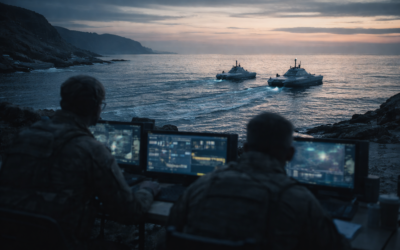
The Liminal Army: Proposing a Term for Cross-Domain Operational Effect
The Royal Navy has hybrid fleet to describe its crewed and uncrewed future. But when the Army starts generating maritime effects using uncrewed systems, something different is happening that hybrid does not quite capture. I want to propose a term for it.
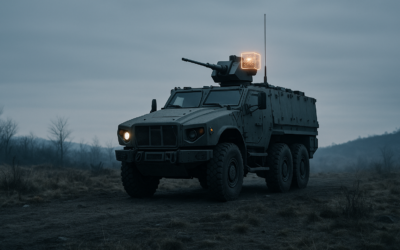
Take the AI to the Fight
Cloud AI made a bet that data would flow to the model. In military operating environments that bet fails, for two distinct reasons. This post explains why, and closes a three-part series on the design principle that runs through every layer of defence AI.

Fidelity Over Distance
The problem in defence software delivery was never really about distance. It was always about how much of the real problem survives the journey from operator to engineer. LLMs change what fidelity is achievable when physical proximity is not possible.

The Tactician and the Technician
Defence software delivery consistently fails because of the structural distance between the engineer who builds and the operator who uses. The case for forward deployment, why it works, and why the commercial model is the hardest barrier to fix.

AI Is Now the Operating System. Here’s What That Actually Means.
AI platforms have shifted from productivity tools to enterprise operating systems. This post examines what that means for competitive strategy, workflow redesign, and how product teams should think about building and scaling AI agents.

The Moats That Matter in Defence AI
A framework for thinking about what makes a deftech AI company genuinely hard to compete with over time. From compliance and accreditation infrastructure to knowledge architecture and cleared human capital, the most durable moats in defence AI are not the most obvious ones.

What Elite Organisations Actually Have in Common
Elite organisations are written about through their surface features. This post examines the four structural patterns that actually sit underneath high-performing organisations, drawn from direct experience inside the Royal Marines, NASA, SpaceX, and a startup exit.

They Wanted to Leave the State. Instead, They Built Its Eyes.
Silicon Valley spent a decade building an ideology about escaping state power. What it actually built was the most capable surveillance and military contracting infrastructure in history. This post asks what that contradiction means for the founders now being recruited into the defence tech wave.

There Is More to Readiness Than Fight Tonight
Fight tonight is the dominant phrase in UK defence readiness right now. But shorthand compresses things. This post unpacks what genuine readiness looks like across five dimensions, and asks which ones are actually being built for.