
Seb Matthews
Engineer. Builder. Executive.
Turning complexity into growth & performance.
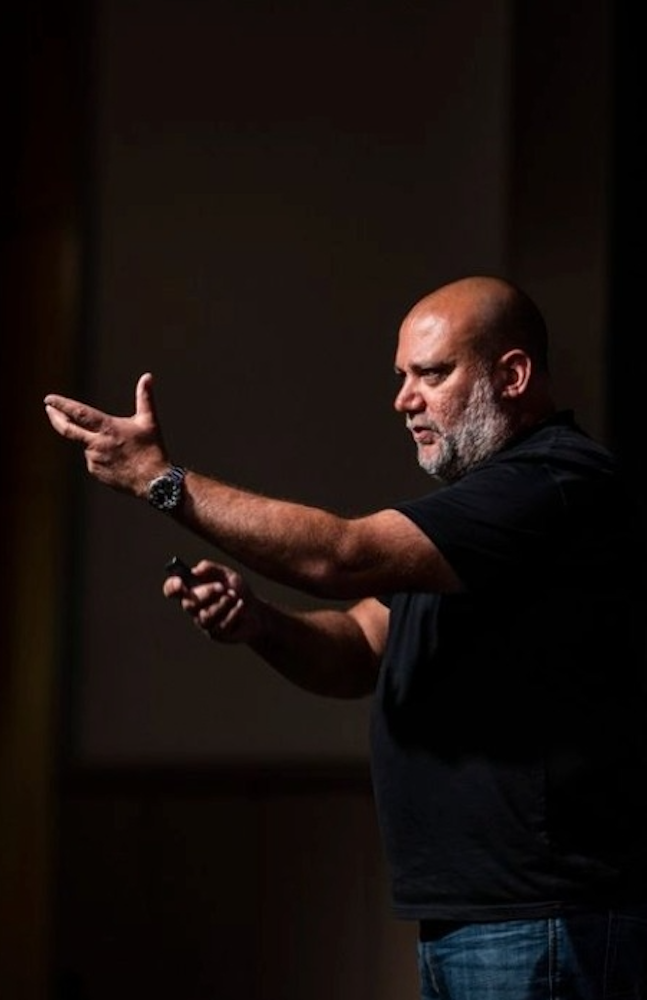
I have built systems, and I have built businesses. The second turned out to need most of what I learned doing the first.
I started as an engineer. I worked on spaceflight systems at NASA and SpaceX, writing for computers with less memory than the phone in your pocket. Later, chief technology officer of a platform serving a quarter of a million users.
In between, I founded, funded, and sold a company within five years, which is where I learned that building a business is the same discipline as building systems aimed at a different problem. You are still working out what carries weight, what fails quietly, and the difference between what you are being told and what is actually true.
For the last decade, I have focused on the commercial side, most recently leading European growth for an AI business in defence and national security. Opening markets, negotiating agreements nobody had a template for, and building a partner network from scratch.
What connects it all is consequence. In the places I have worked, the failure mode is not a disappointing quarter. It is a system that does not work when someone is relying on it, and that changes how you decide what you promise, who (or what) you trust, and what you are willing to leave unfinished.
I write, speak, and advise on leadership when conditions are difficult, modernisation in organisations with a lot of history, and the distance between what gets announced and what actually holds.
Where The Difficulty Really Sits
Most organisations know what they want to do. Far fewer are honest about what they can sustain once the plan meets the realities of operations: the legacy estate, the supplier who must approve before anything is approved, the budget cycle, and the people who have already heard three versions of this.
The problem is almost never a shortage of ambition or clever people. Most organisations have plenty of both. It lies in the places nobody puts on a slide. Where decisions are actually made, rather than where the chart says they are made. What really happens when a standard is missed. Which handful of people are quietly absorbing the strain that holds the whole thing upright.
Those people are usually the reason it has not fallen over yet, and they are almost never in the room when the plan is drafted.
What I Write And Speak About
Leadership under pressure
Leadership is tested when the picture is incomplete, and the obvious answers have run out. What interests me is the gap before the data arrives: how experienced people orient to weak signals, why hesitation is usually more expensive than a wrong call, and how leaders keep making decent decisions when they are tired and the room is watching.
Building And Selling Hard Technology
Deep technology has a particular problem. The person selling it often cannot tell you whether it works yet, and the person building it often cannot tell you what it is worth. Most of what I have to say here comes from watching those two halves of a business fail to talk to each other, usually politely, usually for months.
Building Things That Outlast You
Every organisation has a handful of people holding it together by force of will. That is not resilience; it is a single point of failure wearing a lanyard. I am interested in how you build teams and systems that keep working after the person who built them has gone, which is a harder discipline than it sounds and almost never what gets rewarded.
Why Leaders Trust My Perspective.
Military service taught me discipline, accountability, and leadership in uncertain conditions. Aerospace and Spaceflight systems deepened my respect for precision, systems thinking, and the consequences of getting important things wrong. Founder life taught me ownership, commercial reality, and the difference between ideas and execution. Senior leadership roles in large organisations taught me how difficult it is to align people, strategy, technology, and delivery at scale.
Across all of it, one lesson has stayed with me: organisations do not perform because they are busy, ambitious, or full of smart people. They perform because leaders create clarity, make good decisions under pressure, and build teams and systems that hold when things get hard.
None of it looked this tidy at the time. That is usually the part worth talking about.
If you’re working on something difficult, I would love to hear about it. Contact me via the address in the header.